
Debunking common gambling myths What every player should know
Understanding the House Edge
Many players enter the casino world with a common misconception: that they can outsmart the house. The house edge is the mathematical advantage that the casino has over players. This edge varies by game; for example, slot machines might have a house edge of 5% to 10%, while games like blackjack can have a lower edge when played optimally. Players should consider an instant withdrawal casino to ensure they can access their winnings quickly. Understanding that the odds are always in favor of the house is crucial for players looking to manage their expectations realistically.
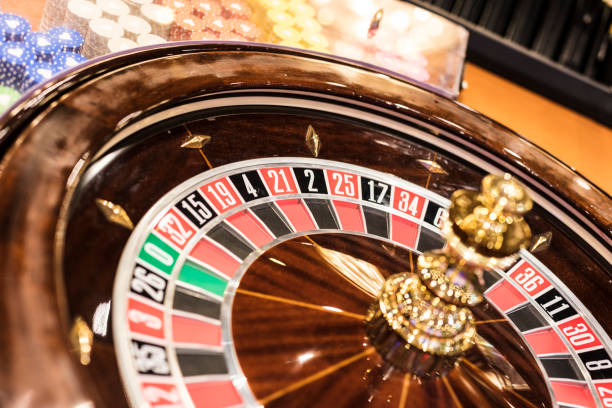
Some players believe that they can “beat” the house edge through luck or clever strategies. However, most games are designed with specific odds that remain constant regardless of previous outcomes. For instance, if you’ve just hit a jackpot on a slot machine, that doesn’t increase your chances of hitting another in the near future. Recognizing this can help players avoid the trap of chasing losses and making irrational decisions based on past results.
Being aware of the house edge also promotes responsible gambling. Players should approach their gaming experience with a mindset that they are participating for entertainment rather than as a guaranteed source of income. By understanding how the house edge works, players can enjoy their time at the casino without deluding themselves about their chances of winning big.
The Role of Luck vs. Skill
A widely held belief among gamblers is that luck is the primary factor determining their success. While luck certainly plays a role, particularly in games of chance like slots and roulette, skill can significantly influence outcomes in many other games. For instance, poker is a game that involves a combination of skill, strategy, and psychological insight, allowing seasoned players to gain an edge over less experienced opponents.
In games like blackjack, understanding strategy can also improve a player’s chances of winning. Players who learn to count cards or understand basic strategy can minimize the house edge considerably. This distinction between games of luck and games of skill is essential for any player wishing to enhance their gaming experience and potentially increase their winning chances.
Moreover, believing solely in luck can lead to a mindset that encourages reckless betting and poor decision-making. By acknowledging the influence of skill in certain games, players can focus on improving their strategies, enhancing their enjoyment, and potentially increasing their likelihood of success. This understanding also helps manage expectations, making gambling a more thoughtful and enjoyable activity.
Myths Surrounding Betting Systems
Many gamblers believe in various betting systems that promise to guarantee wins, such as the Martingale system, which advocates doubling your bet after a loss. While such systems can provide a structured approach to betting, they often overlook the fundamental nature of probability and the house edge. In reality, there is no betting system that can change the odds of a game that is already designed to favor the house.
These systems can lead to substantial financial loss, especially if a player experiences a losing streak. For example, doubling bets can quickly escalate to amounts that exceed a player’s bankroll or table limits, leading to frustration and despair. Understanding that no betting strategy can fundamentally alter the odds is critical in avoiding the pitfalls of such myths and maintaining a more realistic approach to gambling.
Additionally, the belief in these systems can create a false sense of security, leading players to engage in riskier behavior. This often results in emotional decision-making rather than rational gambling practices. By debunking these myths, players can cultivate a more informed, responsible attitude towards their gambling activities.
Winning Streaks and Losing Streaks
Another prevalent myth is that winning or losing streaks are somehow connected, leading players to believe that they are “due” for a win after a series of losses. This misconception stems from the gambler’s fallacy—the mistaken belief that past events can influence future outcomes in independent games of chance. For example, just because a roulette wheel has landed on red several times does not mean black is more likely to occur on the next spin.
Recognizing that each game or spin is independent helps players avoid impulsive decisions driven by emotions. Many players chase losses, betting more in hopes of recouping their lost money, which can lead to even greater losses. Understanding the randomness of games can prevent this cycle and promote a healthier gambling mindset.
Moreover, the idea of streaks can create a false narrative around gambling. Instead of focusing on luck and luck alone, players should concentrate on understanding the odds and strategies that apply to the games they choose. This shift in focus can lead to a more fulfilling gambling experience, based on knowledge rather than myth.

Your Trusted Resource for Gambling Insights
For players looking to deepen their understanding of gambling, it’s vital to rely on trustworthy resources that provide factual information. Engaging with platforms that prioritize education about games, odds, and responsible gambling helps players make informed decisions. This commitment to education can significantly enhance the gaming experience and help players develop more effective strategies.
By separating fact from fiction, players can navigate the gambling landscape with confidence. Websites that focus on debunking myths and clarifying game mechanics play a crucial role in shaping a responsible and enjoyable gambling culture. They offer insights into various games, help players understand odds, and provide tips on responsible gambling practices.
Ultimately, knowing the truth behind common gambling myths empowers players to make better decisions, manage their expectations, and enjoy their gaming experience responsibly. By turning to reliable resources, players can enrich their knowledge and elevate their skills, ensuring that their time spent gambling is both enjoyable and responsible.